Owners of established companies often sense a hard truth before they say it aloud. The business cannot depend on them forever, even when sales remain steady.
Yet the daily pull of customers, employees, lenders, and family issues makes future planning easy to postpone under pressure.
That delay creates risk. A company built through decades of judgment can become fragile when judgment lives in one person, especially during stress.
Business Succession is rarely only a transaction. It is also a test of identity, trust, leadership depth, and family communication across generations.
Many owners want continuity, not a quick sale. They want the next generation to inherit opportunity, real choice, and not confusion.
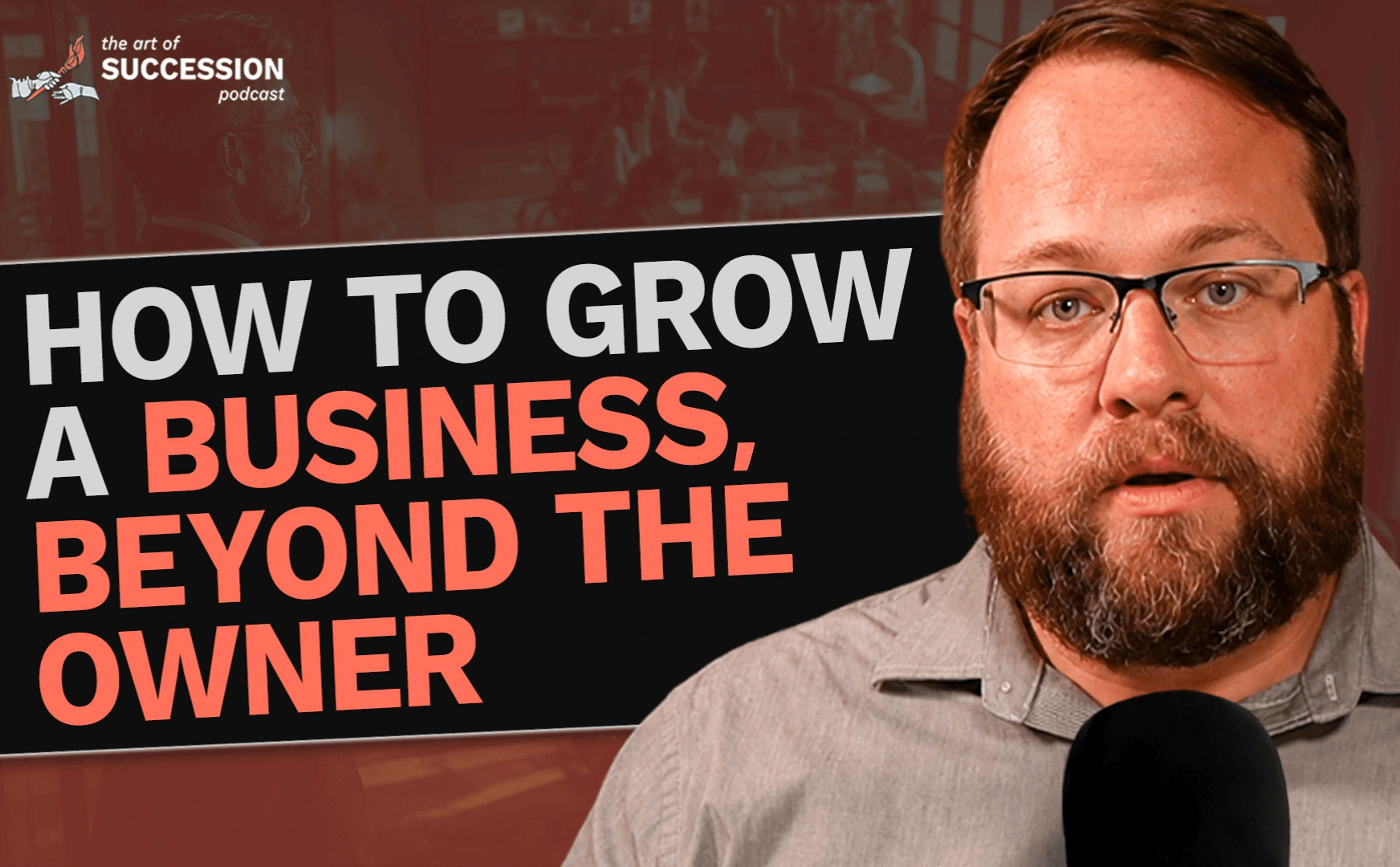
In this episode, Chip Scholz, Founder & Owner of Scholz and Associates, joins Barrett Young, CPA, to examine the emotions behind succession and the work that makes the transition safer.
His book Handoffs centers on an urgent family business transition and an unprepared next generation in a logistics company.
The lesson fits owners who care about legacy. The handoff works best when people, systems, and decisions are prepared early rather than urgently.
For GWCPA LLP's audience, the practical question is clear. What should be strengthened now so the company remains worth carrying forward safely?
Why Business Succession Begins Before Letting Go?
Letting go does not begin with a closing date, retirement party, or ownership transfer. It begins when the owner admits the business needs strength beyond the owner and after the owner's energy changes.

Chip Scholz has seen strong transitions and painful ones. The difference often comes down to how early leaders face reality instead of waiting for a trigger.
Choose Between an Asset Mindset and a Legacy Mindset
One logistics owner framed his decision around whether he was building an asset or a legacy. That question shaped later choices and the advice he accepted.
An outside sale was not a failure in that case. It was a clear strategy supported by leadership, governance, and scale before a buyer appeared.
Other owners may want internal continuity too. The same discipline applies because unclear intent leads to confused teams and weaker values.
Can the company make decisions without the founder?
Does the senior team understand the value drivers?
Would the next generation see opportunity, not obligation?
These questions turn emotion into planning. They also show where the current owner still controls too much without starting a family argument.
Stop Treating Succession as One Event
Succession feels overwhelming when treated as a single leap. It becomes manageable when leaders break it into smaller handoffs over several years.
Earlier planning lowers the drama. It gives future leaders time to learn, fail safely, and earn trust before pressure rises.
Control can appear responsible, especially when employees depend on the company. Over time, though, control can become a bottleneck.
Smaller handoffs reveal whether managers can handle pricing, customer issues, hiring calls, capital requests, and conflict.
Owners do not have to disappear. They do need to stop being the only path to every meaningful decision as leadership matures.
How Ownership Builds the Next Generation of Leaders
Ownership is often demanded before it is taught. That frustrates founders and leaves future leaders guessing during transition.

Next-generation leaders need more than encouragement. They need exposure to the numbers, risks, trade-offs, and expectations behind decisions, not only outcomes.
Real leadership development starts when managers understand how the company makes money and where value can leak away in daily operations.
Teach the Numbers Before Demanding Accountability
A manager cannot protect margin if margin is mysterious. Financial literacy turns accountability from a slogan into a working habit inside management meetings.
In logistics, Chip Scholz learned from an operator that storage and activity were key revenue levers. Other businesses have different levers.
Every business has its version of that lesson. Leaders need to know which numbers explain performance and which numbers mislead.
Revenue concentration and customer risk
Gross margin by service or product line
Cash flow timing and working capital needs
Capacity, productivity, and operating constraints
Reviewing those measures repeatedly builds pattern recognition. Managers begin seeing issues earlier and asking better questions before surprises grow costly.
Use the Five Cs to Move From Insight to Action
The five Cs give owners a simple coaching frame for transition. They move from reality to behavior without making it complicated.
The framework helps because insight alone does not change a company. Owners can know the right step and still avoid it under pressure.
Choice is where plans become behavior. Future leaders need chances to choose, explain, and own results.
Build Confidence Through Smaller Decisions
Confidence grows through real but bounded authority. It cannot be created by speeches about trust or titles alone.
Spending thresholds, customer decisions, hiring input, and project ownership let successors practice judgment before the stakes become severe.
The Emotional Work That Protects Family Continuity
The hardest succession barrier is often emotional, not technical. Ownership can become tied to identity, usefulness, and control as retirement approaches.

Owners may say they are too busy to plan. Often, the deeper issue is fear of becoming less needed or family judgment.
Name the Identity Problem Early
For some founders, the business has shaped every routine, relationship, and major choice for decades and almost every measure of success.
Chip Scholz connects this to usefulness. Many owners do not want idleness; they want a meaningful next role after the formal title changes.
The next act needs more than hobbies. Golf, travel, or a workshop may help, but purpose needs structure beyond the workweek.
What work still gives the owner energy today?
Where can experience help best without control?
Which relationships need attention before transition now?
What routines support health, family, and daily purpose?
Naming those answers reduces fear. It helps the owner see that stepping back is not the same as disappearing.
Have Hard Family Conversations Before Crisis
Family businesses carry both operating issues and family history. Ignoring either side can damage both if leaders avoid them.
The source included painful examples of unresolved succession hurting family relationships. Waiting can make business decisions personal and explosive, even when everyone means well.
Hard conversations should happen while the owner can still guide them. Silence leaves spouses, siblings, and employees guessing about what comes next.
Recognize When You Are Holding the Business Back
Holding a business back is not always neglect. Sometimes it begins with caution that once served the company well.
Risk tolerance can fade. Capital investment may feel harder, especially when distributions support family members across households.
At other times, the owner still wants growth but no longer creates room for others to lead.
GWCPA LLP's succession-minded clients need that honesty because value, tax planning, leadership transition, and family expectations are connected.
Turn Handoffs Into Systems That Can Outlast You
Once leadership accepts transition, the work becomes operational. Handoffs must be built into systems, not saved for emergencies or illness.

Handoffs uses crisis to show what happens when family business knowledge stays trapped in one leader and no one is ready.
The point is simple. If nobody knows what the owner knows, the company carries hidden fragility beneath strong results.
Document Decisions Before They Become Emergencies
A business that cannot function without the founder has a leadership liability, even if revenue looks strong for successors and lenders.
Start with decisions that repeat. They reveal where authority, knowledge, and accountability are unclear during ordinary weeks.
Which decisions still require owner approval today?
Who can approve spending at practical levels without delay?
Where are customer commitments documented clearly?
Who understands banking, insurance, leases, and estate issues?
What happens if the current leader is unavailable tomorrow?
The answers show where the business needs documentation, training, delegation, or outside support before pressure rises.
Use Outside Perspective Without Surrendering Control
Outside perspective can help owners test assumptions before pressure forces action. It can also reduce isolation inside the owner group.
One example involved an external board with fiduciary responsibility and phantom stock for senior advisers.
For mid-market owners, the structure may differ. The principle remains useful: invite challenge before the market provides it or family conflict.
Make Adaptation Part of Succession
Succession should not freeze the company in the founder's image. Every generation must improve what it receives as markets change.
The next generation needs a business worth buying into, not a museum of old decisions with informed commitment.
Adaptation may include better reporting, clearer roles, stronger governance, new technology, or a different capital plan matched to strategy.
Continuity is the capacity to keep serving customers while the company changes leadership, habits, and strategy without losing trust.
Conclusion
A durable company is not protected by hope. It is protected by prepared people, clear systems, honest owners, and timely decisions before a deadline.
Business Succession gives owners a reason to examine where the company is too dependent on their presence and their judgment.
The work can feel personal because it is personal. Trust, identity, family expectations, and money all meet in the same room during transition planning.
Owners do not need to solve every issue at once. They can begin by handing off decisions, teaching the numbers, and documenting what matters one by one.
GWCPA LLP works with owners who want continuity. The strongest starting point is a clear, honest look at what must be strengthened now.
FAQs
What Makes Business Succession So Difficult?
Business Succession is difficult because it combines ownership, family, leadership, money, identity, and timing. Technical planning matters, but emotions often slow action when owners must trust others with decisions they once carried alone during stressful seasons.
How Early Should Owners Start Planning?
Owners should start before they feel ready to exit. Early planning gives successors time to learn, make decisions, understand financial drivers, build credibility with employees, and earn trust from the current owner over time.
Can a Founder Keep Working After a Handoff?
Yes. A founder can remain useful through mentoring, board service, special projects, or customer relationships if authority and boundaries are clear. The role should support successors rather than quietly reclaiming control in front of the team.
Why Do Next-Generation Leaders Need Financial Clarity?
Financial clarity helps future leaders understand value drivers, cash needs, risk, and trade-offs. Without it, accountability becomes vague, and important decisions keep returning to the owner for approval when pressure quickly increases.
How Can Outside Advisors Help a Family Business?
Outside advisors can ask hard questions, structure planning, test assumptions, and help families separate business decisions from personal history. They can also coordinate tax, valuation, and continuity discussions before choices become urgent.